
Some books survive because they are comforting.
Others survive because they refuse to become tame.
Wuthering Heights belongs firmly in the second category.
More than 175 years after its publication, Emily Brontë’s only novel continues to unsettle readers with its emotional intensity, moral ambiguity, and haunting atmosphere. Even people who dislike the book often admit that they cannot entirely forget it.
That alone says something.
This article contains affiliate links to relevant editions on Amazon. As an Amazon Associate, Ginger Cat Publishing may earn from qualifying purchases.
Not the Love Story Many Expect
Readers approaching the novel for the first time are often surprised by what they find.
Popular culture has sometimes reduced Wuthering Heights to a windswept romance between Heathcliff and Catherine. Yet the novel itself is far darker and far more psychologically complicated than many expect.
This is not a gentle Victorian love story.
It is a novel about obsession, emotional damage, pride, revenge, longing, cruelty, and the destructive power of unresolved grief.
The characters frequently wound one another. Some are deeply unlikeable. Few are emotionally healthy.
And yet the novel feels intensely alive because of it.
Why the Novel Still Feels Modern
One reason readers continue returning to Wuthering Heights is that its emotional honesty feels surprisingly modern.
Emily Brontë does not offer tidy moral lessons or neatly redeem her characters. Instead, she allows people to be contradictory, selfish, passionate, wounded, and irrational.
Modern readers are often far more familiar with emotionally complex storytelling than Victorian audiences were. In some ways, the novel now feels more at home in the age of psychological drama and morally grey fiction than it did in its own time.
Readers who enjoy:
- dark academia fiction
- gothic stories
- emotionally intense literary fiction
- or psychologically complicated characters
often discover that the novel feels unexpectedly contemporary beneath its nineteenth-century language.
The Atmosphere Is Part of the Experience
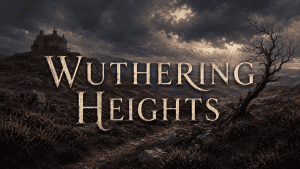
Very few novels create atmosphere as powerfully as Wuthering Heights.
The Yorkshire moors are not simply a backdrop to the story. They shape it.
The wild weather, isolation, exposed landscape, and harsh environment mirror the emotional turbulence of the characters themselves. The setting gives the novel a feeling that is difficult to separate from the story.
Even readers who struggle with some of the characters often remember:
- the wind
- the bleakness
- the lonely houses
- and the strange sense of emotional unrest running through the entire book.
That atmosphere is one reason the novel continues to resonate so strongly with modern readers drawn to gothic fiction and darker literary classics.
It Refuses Easy Answers
Part of what keeps Wuthering Heights alive in discussion is that readers rarely agree entirely about its characters.
Is Heathcliff a tragic outsider shaped by cruelty and rejection?
Or does he become deeply cruel himself long before his revenge fully unfolds?
Is Catherine trapped by social expectations?
Or does her own pride contribute to the destruction around her?
The novel resists simple interpretation, and readers continue debating these questions generation after generation.
That ambiguity gives the book unusual staying power.
Why Some Readers Struggle With It
At the same time, the novel is not universally easy to love.
Some readers find:
- the layered narration confusing
- the emotional intensity exhausting
- or the characters difficult to sympathise with.
These reactions are understandable.
Wuthering Heights asks readers to sit inside emotional turbulence rather than offering clear comfort or stability. It is often more rewarding when approached as gothic tragedy or psychological drama rather than conventional romance.
For many readers, the experience becomes richer once they stop asking:
“Do I like these characters?”
and instead ask:
“What is this novel revealing about obsession, grief, pride, and emotional inheritance?”
Reading Classics as Modern Readers
One reason classic novels sometimes feel intimidating is that readers assume they must approach them academically.
In reality, many classics become far more enjoyable when approached personally instead.
Readers do not need to admire every character in Wuthering Heights to find it fascinating. Nor do they need to understand every literary reference to feel the force of its atmosphere and emotional tension.
Part of the pleasure of reading older novels lies in encountering voices and emotional worlds that still feel recognisably human despite the distance of time.
Final Thoughts
Wuthering Heights endures because it refuses to become soft, polite, or emotionally safe.
It remains wild around the edges.
That wildness can make the novel uncomfortable, but it is also what makes it memorable.
For readers willing to enter its stormy emotional landscape, the novel still offers something many modern books struggle to replicate: an atmosphere of genuine intensity that lingers long after the final page.
Why Read Wuthering Heights Today?
Some books survive because they are comforting.
Others survive because they refuse to become tame.
Wuthering Heights belongs firmly in the second category.
More than 175 years after its publication, Emily Brontë’s only novel continues to unsettle readers with its emotional intensity, moral ambiguity, and haunting atmosphere. Even people who dislike the book often admit that they cannot entirely forget it.
That alone says something.
Not the Love Story Many Expect
Readers approaching the novel for the first time are often surprised by what they find.
Popular culture has sometimes reduced Wuthering Heights to a windswept romance between Heathcliff and Catherine. Yet the novel itself is far darker and far more psychologically complicated than many expect.
This is not a gentle Victorian love story.
It is a novel about obsession, emotional damage, pride, revenge, longing, cruelty, and the destructive power of unresolved grief.
The characters frequently wound one another. Some are deeply unlikeable. Few are emotionally healthy.
And yet the novel feels intensely alive because of it.
Why the Novel Still Feels Modern
One reason readers continue returning to Wuthering Heights is that its emotional honesty feels surprisingly modern.
Emily Brontë does not offer tidy moral lessons or neatly redeem her characters. Instead, she allows people to be contradictory, selfish, passionate, wounded, and irrational.
Modern readers are often far more familiar with emotionally complex storytelling than Victorian audiences were. In some ways, the novel now feels more at home in the age of psychological drama and morally grey fiction than it did in its own time.
Readers who enjoy:
- dark academia fiction
- gothic stories
- emotionally intense literary fiction
- or psychologically complicated characters
often discover that the novel feels unexpectedly contemporary beneath its nineteenth-century language.
The Atmosphere Is Part of the Experience
Very few novels create atmosphere as powerfully as Wuthering Heights.
The Yorkshire moors are not simply a backdrop to the story. They shape it.
The wild weather, isolation, exposed landscape, and harsh environment mirror the emotional turbulence of the characters themselves. The setting gives the novel a feeling that is difficult to separate from the story.
Even readers who struggle with some of the characters often remember:
- the wind
- the bleakness
- the lonely houses
- and the strange sense of emotional unrest running through the entire book.
That atmosphere is one reason the novel continues to resonate so strongly with modern readers drawn to gothic fiction and darker literary classics.
It Refuses Easy Answers
Part of what keeps Wuthering Heights alive in discussion is that readers rarely agree entirely about its characters.
Is Heathcliff a tragic outsider shaped by cruelty and rejection?
Or does he become deeply cruel himself long before his revenge fully unfolds?
Is Catherine trapped by social expectations?
Or does her own pride contribute to the destruction around her?
The novel resists simple interpretation, and readers continue debating these questions generation after generation.
That ambiguity gives the book unusual staying power.
Why Some Readers Struggle With It
At the same time, the novel is not universally easy to love.
Some readers find:
- the layered narration confusing
- the emotional intensity exhausting
- or the characters difficult to sympathise with.
These reactions are understandable.
Wuthering Heights asks readers to sit inside emotional turbulence rather than offering clear comfort or stability. It is often more rewarding when approached as gothic tragedy or psychological drama rather than conventional romance.
For many readers, the experience becomes richer once they stop asking:
“Do I like these characters?”
and instead ask:
“What is this novel revealing about obsession, grief, pride, and emotional inheritance?”
Reading Classics as Modern Readers
One reason classic novels sometimes feel intimidating is that readers assume they must approach them academically.
In reality, many classics become far more enjoyable when approached personally instead.
Readers do not need to admire every character in Wuthering Heights to find it fascinating. Nor do they need to understand every literary reference to feel the force of its atmosphere and emotional tension.
Part of the pleasure of reading older novels lies in encountering voices and emotional worlds that still feel recognisably human despite the distance of time.
Final Thoughts
Wuthering Heights endures because it refuses to become soft, polite, or emotionally safe.
It remains wild around the edges.
That wildness can make the novel uncomfortable, but it is also what makes it memorable.
For readers willing to enter its stormy emotional landscape, the novel still offers something many modern books struggle to replicate: an atmosphere of genuine intensity that lingers long after the final page.
Read Wuthering Heights in a Thoughtfully Designed Edition
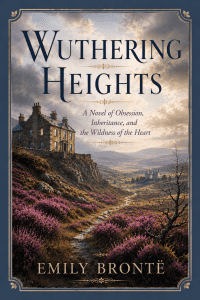
The Ginger Cat Publishing edition of Wuthering Heights includes:
- clear, readable typography
- comfortable spacing for longer reading sessions
- carefully prepared formatting
- reflective companion material
- a premium matte presentation designed for modern readers of classic literature
View the Ginger Cat Publishing Edition on Amazon